Few things sour a landlord-tenant relationship faster than a malfunctioning air conditioner on a July afternoon. In Canton MA, where summer humidity can make interiors sticky and uncomfortable, being proactive saves money, avoids emergency calls, and preserves tenant satisfaction. This article walks through what to do before, during, and after AC repairs so that property owners and managers can minimize disruption, control costs, and keep systems running longer. The guidance reflects routine field experience: real-world timing, typical failures, what technicians expect, and the decisions that change outcomes.
Why preparation matters A single simple task can change a repair from a two-hour fix with a 30-dollar part to a day-long job that requires multiple trips and a large invoice. Technicians arrive and want a clear workspace, safe access to outdoor units, and a history of recent problems. Tenants expect cooling fast. You, as the property owner, want predictable costs and minimal downtime. Preparing a rental property for AC repair aligns those interests. It reduces diagnostic time, prevents accidental damage, and often reveals maintenance needs that can be scheduled at a lower cost than emergency service.
First steps long before the call Start with preventive maintenance. Annual tune-ups, ideally in spring, catch small refrigerant leaks, weak capacitors, clogged drains, and worn belts. In rentals, maintenance often slips through the cracks because tenants assume the landlord handles it, and landlords assume tenants will report issues. Set a calendar reminder and document each service visit. Photograph the condensing unit, coil fins, and access panels before technicians arrive. Those photos help track corrosion or long-term vandalism on outdoor units and establish a baseline for insurance claims if damage occurs.
Create a simple tenant-facing protocol. Tell tenants how to change basic filters, what a clogged condensate drain sounds like, and how to reset a tripped breaker. When tenants know to try quick fixes, they can sometimes avoid a service call entirely. However, emphasize boundaries: do not let them attempt electrical work or refrigerant handling. Explain that if the thermostat reads correctly but airflow is weak, that could mean a motor, blower, or duct issue needing professional attention.
What a good repair call looks like When you call for Ac repair in Canton MA, pick a provider with transparent pricing and clear service windows. A reputable local company will ask about symptoms: no cool air, strange noises, water pooling, or unusual smells. They will ask for the system make and model if you have it, and whether there is an outside unit. Expect the technician to want an unobstructed path to the unit and power access. If you manage multiple rentals, create a one-page property sheet containing system age, last maintenance date, warranty information, and preferred contractor contact. Technicians appreciate that, and it speeds up authorization for parts.
A common scenario: tenant reports intermittent cooling and higher electric bills. Technician diagnosis often begins with a visual inspection and a check for refrigerant pressure. Low refrigerant indicates a leak; simple top-offs only mask a bigger problem. If the system is over five years old and the compressor shows wear, weigh repair versus replacement. Repairing refrigerant leaks and replacing valves can be economical under ten years, but once compressor damage, multiple failed components, or oil contamination appears, replacement often saves money over the next several years.

Preparing the property the day of the repair Clear access to the outdoor condensing unit and the indoor air handler. Trim brush, move patio furniture if it blocks a walk path, and remove vehicles that could impede technician access. For systems in basements or closets, clear 3 to 4 feet of space around the unit and a 30-inch wide access path when possible. Shut off smart thermostats or set them to allow technician control if requested. Place a clear note on the electrical panel identifying which breaker controls the HVAC system. That simple step reduces time spent hunting for power.

Communicate with tenants about safety and timeframes. Let them know whether the technician will need to enter the unit, how long the work is expected to take, and any temporary loss of cooling. If the work could require a full day, offer a temporary cooling plan: a list of nearby cooling centers, or an inexpensive window fan and split portable AC in hot bedrooms. Tenants respond well to practical gestures and clear timelines. It reduces anxiety, prevents complaints, and helps technicians do their job without feeling rushed.
Documentation and authorization: a story from the field A landlord I worked with owned a three-unit building in Canton. He relied on tenants to report problems and called for a repair after weeks of higher bills. The first technician diagnosed a refrigerant leak and quoted a labor and parts cost. The landlord approved the work verbally but did not provide the system model or the maintenance history. The technician ordered parts based on best guesses; the wrong valve arrived, and a second visit was needed. That second trip doubled labor costs and left the tenants without AC for another full day.
After that experience, the landlord created a one-sheet for each property with photos, serial numbers, and the last two maintenance records. Calls for Ac repair in Canton MA became one-visit jobs more often than not. A small amount of preparation eliminated repeat trips, reduced labor charges, and shortened tenant discomfort.
What landlords should have ready for the technician To smooth any job, prepare a short packet that travels with the work order or sits in the property file. Include the system make and model, the thermostat type, last maintenance date, recent tenant reports, and whether there are pets or children with special access instructions. Note any recent building work — attic insulation changes, window replacements, or resealing that might have altered system load. If there is a warranty or extended service plan, place that information prominently so the technician can apply parts or labor credits right away.
When to authorize replacement instead of repair Deciding between repair and replacement requires numbers and judgment. If the unit is older than 10 to 15 years, replacement often makes financial sense unless the repair is minor. If the estimated repair cost exceeds 30 to 40 percent of the replacement price, replacement deserves serious consideration. Consider the energy efficiency gains with a new unit, particularly if the current system is an older low-efficiency model. Newer models can reduce energy use HVAC Service Near Me by 15 to 40 percent depending on the year of the old unit and the replacement efficiency. Factor in potential rent increases and the positive marketing effect of offering newer, efficient systems to prospective tenants.
Edge cases change the calculus. Historic or character properties where outdoor unit placement must remain discreet might favor repair even for older units, to preserve exterior aesthetics. For short-term rentals or properties planned for sale within a year, a targeted repair may be the lowest-cost path, provided you disclose the service and expected system lifespan to buyers.
Handling tenant concerns and legal obligations Massachusetts has specific health and habitability standards landlords must meet. Cooling is not always a strict legal requirement in every rental contract, but if the lease includes an operational AC promise, failure to repair promptly can lead to rent withholding claims, repair-and-deduct actions, or administrative complaints. Respond promptly to tenant requests and document every interaction. A written timeline, photos of the issue, and the service invoice protect you legally and demonstrate good faith.
Keep tenant safety front of mind. Technicians may need to shut off power, which could affect medical equipment. Ask tenants if anyone in the unit relies on such devices and coordinate accordingly. If access requires entering through a locked common area, provide a clear way for the technician to reach the unit without forcing locks or risking damage.
Common repair types and what they really mean for landlords Refrigerant leaks. These often originate at fittings, coil joints, or due to corrosion. They require locating the leak, repairing it, and recharging the refrigerant. Frequent leaks may indicate an aging system or manufacturing defect. If leaks are recurrent and the system is beyond warranty, replacement saves money over repeated repairs.
Compressor failure. The compressor is the heart of a split system. Replacing a compressor can be expensive and sometimes unwise if the outdoor coil or electrical components are old. If the compressor fails on a unit older than 10 years, replacement typically outweighs repair.
Electrical faults and capacitor or contactor failures. These are common and relatively inexpensive fixes, yet they require a qualified technician. Replacing a failing capacitor or contactor is straightforward, but if electrical issues recur, inspect the control board and wiring for heat damage or improper voltage.
Clogged condensate drain. This produces water leaks and potential mold growth. It is often a quick fix: clearing the line and flushing with a vinegar solution. Tenants can be shown how to check for slow drains, preventing escalation.
Airflow restrictions. Dirty air filters, blocked returns, or undersized ducts reduce efficiency and can overload the blower motor. Ensure the correct filter size is used and that returns are unobstructed. A recurring airflow problem may indicate a need to balance ducts or add return paths, which is a larger investment but improves comfort and reduces energy bills.
Two practical checklists The first checklist is for landlords to complete before the technician arrives. The second is for tenants to follow when they first notice trouble.
Landlord pre-service checklist:
- confirm system make, model, and last service date is documented and shared with technician clear 3 to 4 feet around indoor and outdoor units and provide 30-inch access path ensure electrical panel is labeled and accessible, note any shared meter complications notify tenants of expected time window and whether access will be needed prepare authorization for minor repairs up to a set dollar threshold to avoid delays
Tenant quick-response checklist:
- change or inspect the air filter and note when last changed check the thermostat settings and battery if wireless, and reset if recommended by the manual look for water pooling or stains near the indoor unit and take a quick photo document noises or odors and the time they started report immediately to landlord if someone in the unit depends on medical cooling or climate-sensitive conditions
Managing costs without sacrificing quality High-quality Ac repair in Canton MA does not mean taking the cheapest bid. Lowball quotes sometimes mask poor parts or inexperienced labor that cause repeat failures. Insist on warranties for parts and labor. Typical warranties run 30 to 90 days for labor and one year for parts, and manufacturer parts may carry longer protection. Keep your network of reliable contractors; regular use encourages priority scheduling and better pricing.
For larger portfolios, consider a service contract with scheduled preventive visits and flat-rate emergency response. These contracts can reduce overall labor rates and often include priority service during heat waves when demand spikes. If you choose to manage repairs ad hoc, standardize your approval thresholds and keep a preferred vendor list so tenants know whom to expect. A trusted provider like Green Energy AC Heating & Plumbing Repair often offers both emergency and preventive plans tailored to local needs. Their familiarity with Canton MA climate, permits, and typical installation constraints can shave weeks off permitting and ordering times for replacements.
After the repair: follow-up and longevity strategies Once the work is complete, document everything. Save invoices, technician notes, serial numbers of replaced components, and before-and-after photos. Update your property file and maintenance log. Notify the tenant of what was done and any recommendations for future care. Schedule follow-up checks: one week to ensure the system starts reliably and one season later for performance confirmation.
Consider simple investments that increase system lifespan. Regular filter changes, installing a programmable thermostat to reduce constant cycling, and sealing duct leaks can all extend equipment life. For ground-level units, build a small concrete pad that raises the unit off the damp ground and prevents flooding during heavy rains. For noisy compressors, add a sound-dampening fence or louvered screen that allows airflow but reduces tenant complaints.
Final thoughts and trade-offs Preparing a rental property for AC repairs is not only about a clean work area and a signed authorization. It is a discipline of documentation, tenant communication, and strategic decision making. Investing an hour to prepare a technician visit can save hundreds or thousands in repeat trips and emergency premiums. Deciding between repair and replacement requires a clear-eyed look at age, repair cost relative to replacement, energy savings potential, and tenant expectations.
The Canton MA rental market rewards landlords who keep properties comfortable and services prompt. Tenants notice promptness almost as much as the temperature. By creating simple protocols, documenting equipment, and partnering with reliable Ac repair in Canton MA professionals, you protect your investment, preserve tenant goodwill, and avoid the crunch of summer emergency calls.
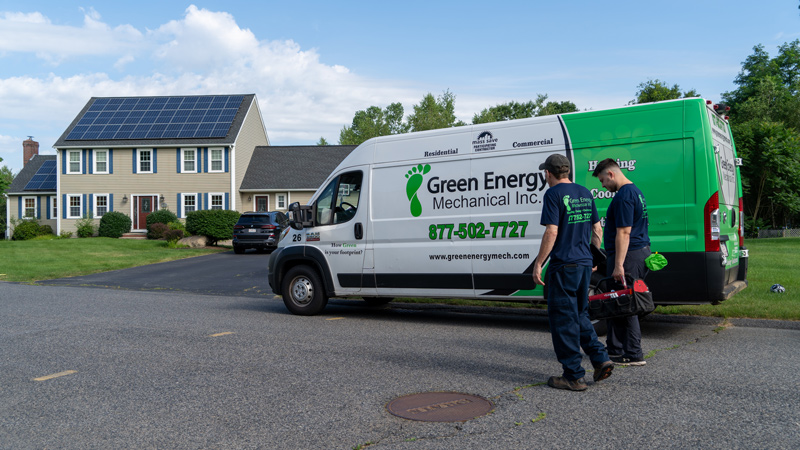
Green Energy AC Heating & Plumbing Repair
480 Neponset St, Canton, MA 02021, United States
+1 (781) 236-3454
[email protected]
Website: https://greenenergymech.com